Amazon Faces Climate Setback as Carbon Emissions Climb Again

Amazon’s greenhouse gas emissions rose 6% in 2024, reversing two years of declines, as the tech giant’s growing logistics network and investments in artificial intelligence (AI) infrastructure drove up energy use.
The company’s total carbon footprint climbed from 64.38 million metric tons in 2023 to 68.25 million metric tons last year, according to its annual sustainability report released Wednesday. It marks Amazon’s first year-over-year emissions increase since 2021, when its footprint reached its highest level at 71.54 million metric tons.
Amazon pledged in 2019 to achieve net-zero carbon emissions by 2040, but six years into the effort, its emissions are up more than 33%. The latest rise comes as Amazon ramps up delivery operations and builds out data centers to support its AI ambitions, both highly energy-intensive activities.
AI Push Fuels Energy Demand
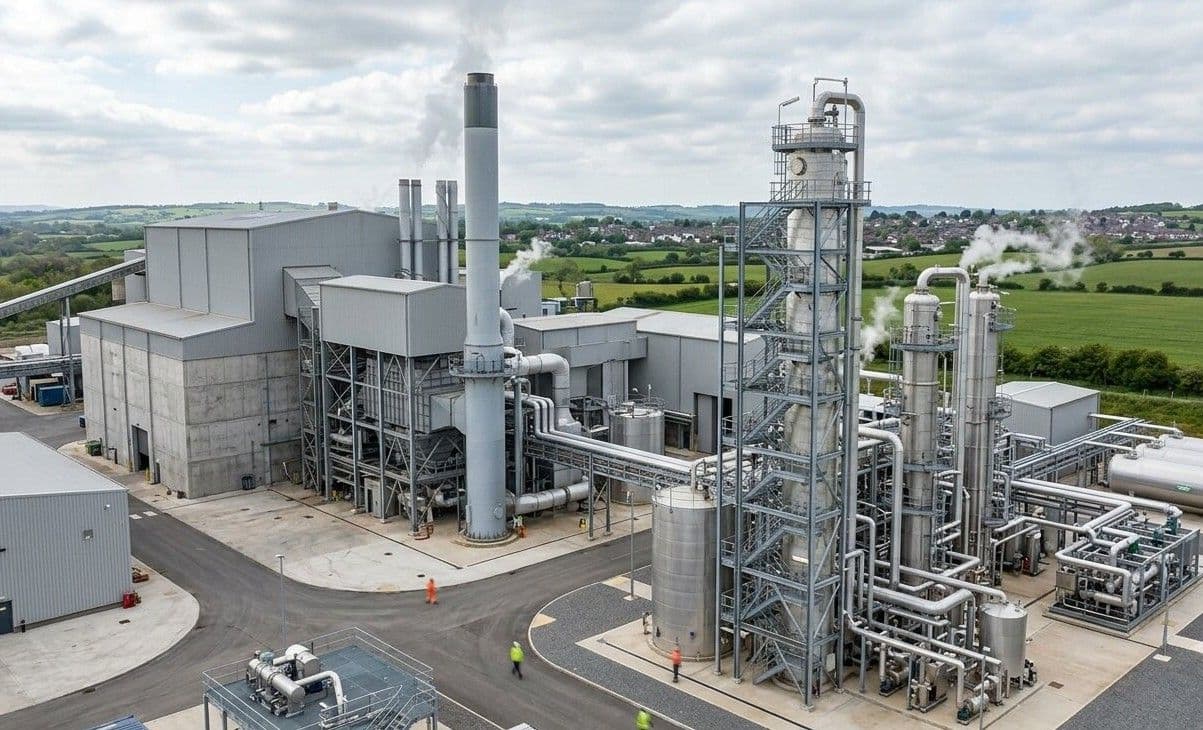
The surge in electricity consumption was partly driven by advanced technologies, particularly AI. Amazon is spending heavily to compete with rivals like Microsoft and Google in the AI race, with plans to pour $100 billion into its data center and delivery operations this year. Microsoft, by comparison, spent $80 billion on AI infrastructure over the past year.
Kara Hurst, Amazon’s chief sustainability officer, acknowledged the challenges in the report. She recognizes that the path to being a more sustainable company will never be linear, because it’s charting new territory at an unprecedented scale. She believes that the company’s approach will continuously evolve with emerging challenges and opportunities, as it’s seeing with the rapid adoption of AI.
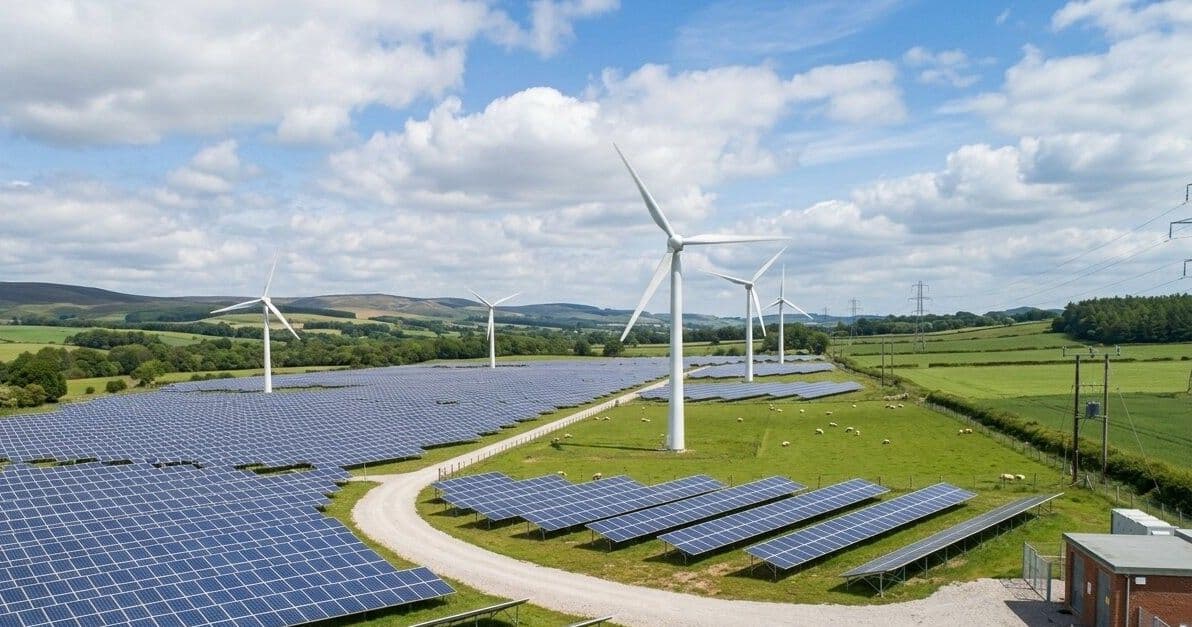
To address the soaring energy demands, Amazon is making its first investments in nuclear energy. Still, critics argue these steps fall short of what’s needed.
Read More: The Growing Need for ESG Companies, Sustainability, and Climate Solutions
Criticism From Climate Advocates
Amazon Employees for Climate Justice, the activist group that pressured Amazon to adopt its 2019 climate pledge, criticized the company’s latest report. The group accused Amazon of overstating its renewable energy achievements and obscuring its reliance on fossil fuels.
“A breakdown of local energy generation in regions that are home to over 70% of Amazon's US data centers shows that much of Amazon’s electricity comes from gas,” the group said in a statement. They also noted that utilities are building new fossil fuel infrastructure to meet Amazon’s growing demand.
Earlier this year, the group backed a shareholder proposal for Amazon to issue a report detailing the energy impact of its AI growth. The proposal was rejected.
EV Efforts Meet Expanding Logistics
One bright spot in Amazon’s report is the steady growth of its electric vehicle (EV) delivery fleet. The company now has over 31,400 electric vans on roads globally, thanks to its partnership with EV maker Rivian. However, these gains are being offset as Amazon expands into rural areas to speed up deliveries, increasing the overall size and energy needs of its logistics network.
Emissions from electricity alone rose by 1% last year, further reflecting the strain of AI-related computing and data center construction.
Also Read: IEA Report Says Fossil Fuels Less Used in 2023
Carbon Intensity Declines, But Pressure Mounts
Despite the rise in total emissions, Amazon highlighted a 4% drop in carbon intensity, emissions per dollar of revenue, a metric the company says shows progress as its business scales.
With its 2040 net-zero goal approaching, Amazon’s latest report underscores the tension between its growth strategy and climate ambitions. Whether its investments in cleaner energy sources can keep pace with AI’s power demands remains a critical question.
Follow more news and views via our Environment and Featured Articles sections, and stay updated on top ESG events to attend in 2025 for industry insights and networking.
Source: Tech Xplore
Get the ESG Brief in your inbox
One concise email a week — the ratings moves, regulation deadlines, and vetted solutions that matter. Trusted by sustainability and finance teams.
No spam · unsubscribe anytime.