Biodiversity Reporting: The Next Big Thing After Carbon

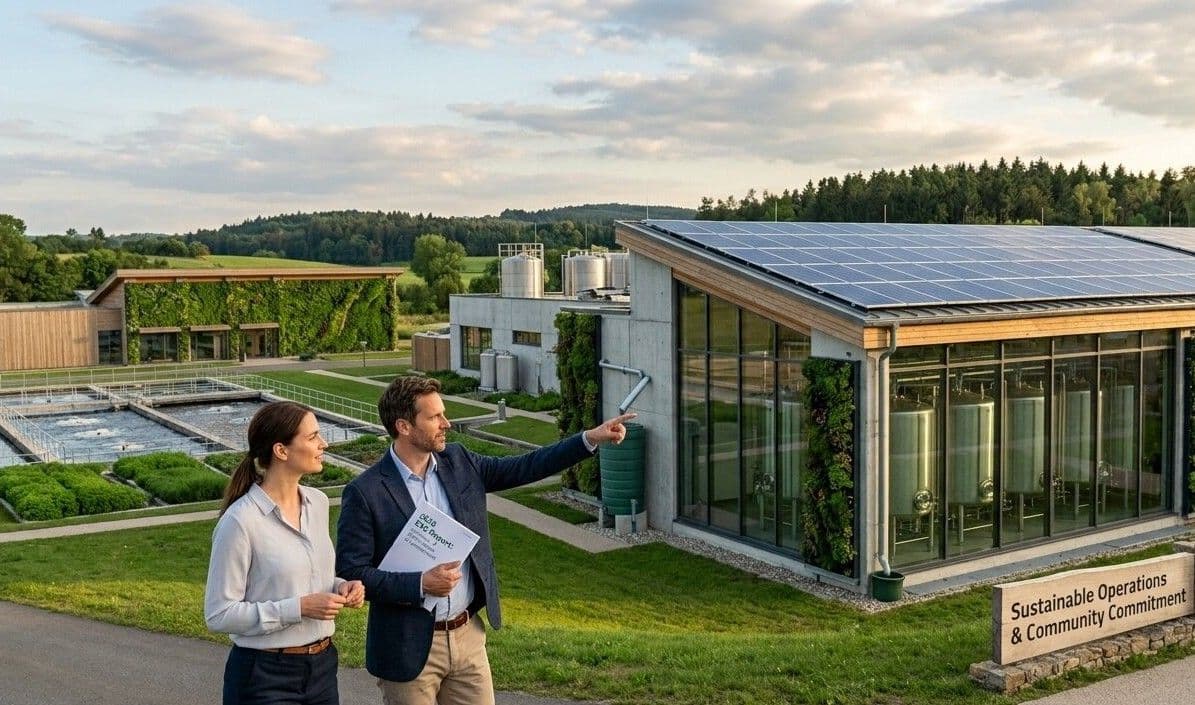
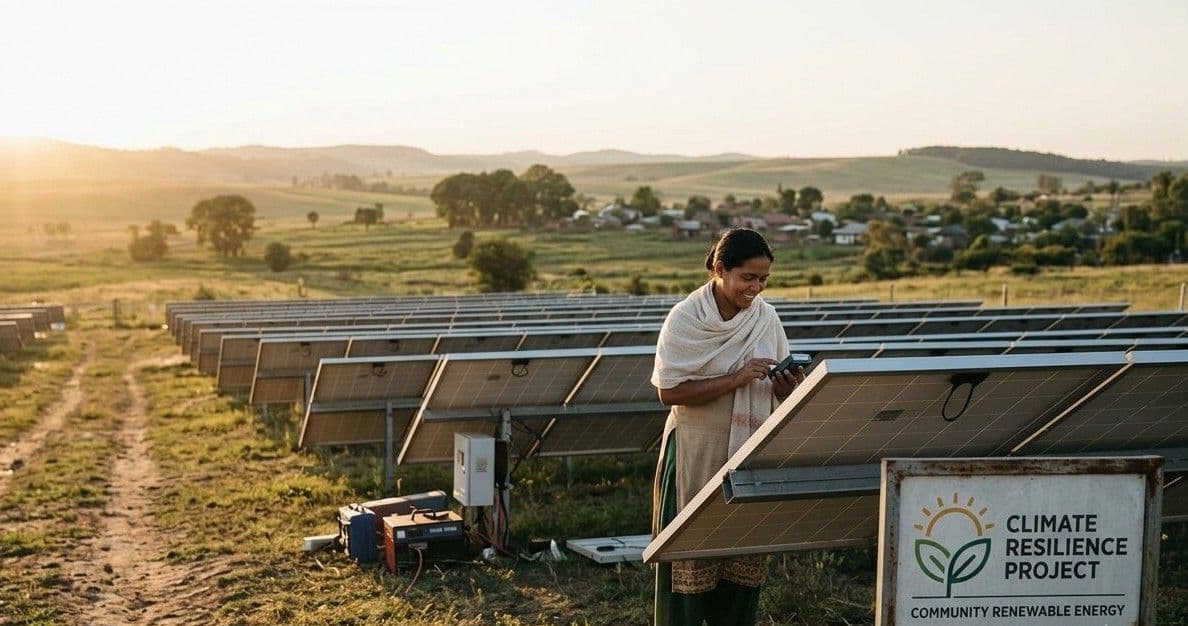
As corporate climate commitments mature and carbon reporting becomes standardized, forward-thinking businesses and investors are turning their attention to the next frontier in sustainability disclosure: Biodiversity and natural capital. This shift represents an expansion of environmental consciousness while acknowledging a fundamental truth: Our economic systems are intrinsically dependent on nature's services and the natural environment.
Beyond Carbon: The Criticality of Biodiversity
While carbon emissions remain a critical focus, they represent just one dimension of our environmental impact. The alarming rate of biodiversity loss, currently estimated at 1,000 times the natural background rate, poses profound risks to business operations, supply chains, and global economic stability. The World Economic Forum now ranks biodiversity loss among the top five risks to the global economy over the next decade.
This degradation of natural forests, wetlands, and coral reefs compromises essential ecological processes such as pollination, water purification, and climate regulation, processes that sustain human life and economic systems in equal measure.
Emerging Frameworks for Measurement

Several promising frameworks are emerging to help organizations navigate this complex terrain:
The Taskforce on Nature-related Financial Disclosures (TNFD) has rapidly gained traction since its 2023 framework release, with over 320 organizations now implementing its recommendations. The TNFD approach helps businesses systematically assess, disclose, and respond to nature-related risks and opportunities by aligning with the broader sustainability agenda.
The Science-Based Targets Network (SBTN) provides methodologies for setting quantifiable, time-bound objectives for nature stewardship that align with planetary boundaries, including goals for biodiversity net gain.
Natural Capital Protocol offers a standardized natural capital approach for identifying, measuring, and valuing direct and indirect impacts and dependencies on nature, including both provisioning and other ecosystem services such as cultural services.
Featured Article: Understanding Carbon Accounting: A Practical Guide for 2025
Pioneering Corporate Approaches

Leading organizations across sectors are already making significant strides in biodiversity and natural capital reporting, as shared below:
In the food and beverage industry, companies are mapping dependencies on pollination services and assessing how agricultural practices impact soil health and local ecosystems. Several major players now report on land use changes, greenhouse gases, freshwater consumption, and habitat conservation efforts alongside their climate change disclosures.
Financial institutions are developing biodiversity screening tools that evaluate portfolio companies' impacts on critical ecosystems, with some implementing discriminatory policies for projects threatening high-conservation-value areas. These efforts are helping align investment decisions with environmental services protection.
Extractive industries are spearheading approaches to quantify their biodiversity footprint, with some implementing "net positive impact" commitments that require leaving ecosystems in better condition than before operations began. These actions often result in demonstrable economic benefits over time, as degraded ecosystems lead to long-term business risks.
Featured Article: 5 Best Carbon Accounting Software in 2025
Technology Enabling Better Measurement

Technological innovations are making previously challenging assessments more feasible:
- Satellite imagery and remote sensing enable real-time monitoring of land use changes, improving transparency around the state of the natural environment, helping companies identify threats to ecological processes before they become irreversible.
- Environmental DNA (eDNA) sampling provides a non-invasive biodiversity assessment
- AI-powered species identification streamlines ecosystem surveys, enabling more precise measurement of biodiversity net gain.
- Blockchain applications enhance the traceability of natural resources, supporting sustainable sourcing and reducing hidden contributions to the nature crisis.
Featured Article: Climate Solutions: The World’s First ESG & Sustainability Marketplace
The Path Ahead
As regulatory frameworks like the EU's Corporate Sustainability Reporting Directive incorporate specific biodiversity requirements, natural capital reporting is transitioning from voluntary leadership to compliance necessity. Investors increasingly recognize that companies failing to address nature-related risks may face material financial consequences.
The integration of biodiversity metrics into corporate reporting represents a crucial shift in how we conceptualize business sustainability. By expanding focus beyond carbon to encompass the full spectrum of natural capital approach, dependencies and impacts, including those on cultural services and other ecosystem services, organizations are developing more extensive environmental strategies that are in sync with planetary boundaries.
For businesses seeking competitive advantage in an increasingly nature-conscious marketplace, the message is clear: Biodiversity reporting isn't just the next big thing; it's an essential component of responsible business practice in a resource-constrained world, one where the health of the natural environment and human life are deeply intertwined.
While we're on the topic of the natural environment around us, it is critical to mention that KnowESG, our very own sustainability hub, is committed to curating ESG-related news, education, events, and company information while sharing deep insights for organizations and professionals exploring the developing landscape.
Last but not least, let us also add that our KnowESG Marketplace caters to all ESG enthusiasts by collaborating with some of the most reputable ESG data and service providers, providing a plethora of services ranging from sustainability consulting and strategy to renewable energy and utilities, among many others. Feel free to explore the extensive range of services and connect with us for sustainability-related requirements.
Frequently Asked Questions (FAQs)
What is biodiversity, and why is it critical for the natural environment?
Biodiversity refers to the variety of life on Earth, i.e., plants, animals, and microorganisms, and the ecosystems they form. It plays a vital role in maintaining the natural environment by supporting ecological processes, regulating climate, and ensuring clean air, water, and soil. Without biodiversity, the resilience of nature and human life is at risk.
How is climate change linked to the current nature crisis?
Climate change and the nature crisis are deeply interconnected. Rising temperatures and extreme weather disrupt natural forests and other ecosystems, threatening species and their habitats. At the same time, the loss of biodiversity reduces nature’s ability to absorb greenhouse gases, further accelerating climate change.
What does ‘natural capital’ mean in the context of environmental reporting?
Natural capital refers to the world’s stocks of natural assets, like forests, rivers, soil, and biodiversity that provide environmental services essential for survival. A natural capital approach to reporting evaluates the value of these assets and their contributions to society, enabling better decision-making and accountability in sustainability efforts.
Why is biodiversity net gain important for businesses and policymakers?
Biodiversity net gain means leaving nature in a better state than before an intervention, such as construction or land development. It’s important because it ensures that human activity not only offsets its environmental impact but actively contributes to restoring ecosystems, aligning with global sustainability goals.
How does biodiversity contribute to human life and well-being?
Biodiversity supports essential ecological processes like pollination, nutrient cycling, and water purification. It also offers cultural services, such as recreation and spiritual enrichment, which are crucial for mental and social well-being. Ultimately, the health of human life is deeply dependent on the health of nature.
What role does the financial industry play in advancing the natural capital approach?
The financial industry is increasingly recognising the risks and opportunities related to biodiversity loss and environmental degradation. By integrating natural capital into risk assessments and investment decisions, financial institutions can support projects that protect natural forests, restore habitats, and promote sustainable growth.
How does natural capital reporting deliver economic benefits?
Natural capital reporting helps quantify the economic value of environmental services and other ecosystem services, such as flood protection and clean water. This allows businesses and governments to make informed decisions that optimise both financial returns and long-term sustainability, revealing the hidden economic benefits of preserving nature.
What are the key ecosystem services provided by biodiversity?
Ecosystem services include provisioning services (like food and water), regulating services (like carbon storage and climate regulation), supporting services (such as soil formation), and cultural services (like tourism and heritage). These services are the foundation of a healthy economy and society.
Why is biodiversity becoming a priority in the global sustainability agenda?
As carbon reporting becomes more mainstream, biodiversity is emerging as the next frontier in environmental accountability. The growing awareness of the nature crisis, coupled with its link to climate change, food security, and global health, has made biodiversity a core focus in the global sustainability agenda.
How can businesses start integrating biodiversity and natural capital into their ESG strategies?
Businesses can begin by identifying their dependencies and impacts on natural ecosystems. They should adopt a natural capital approach, set targets for biodiversity net gain, and disclose relevant data in their sustainability reports. Collaborating with environmental experts and engaging in nature-positive practices is key to long-term success.
Get the ESG Brief in your inbox
One concise email a week — the ratings moves, regulation deadlines, and vetted solutions that matter. Trusted by sustainability and finance teams.
No spam · unsubscribe anytime.